Hello!
Hello!
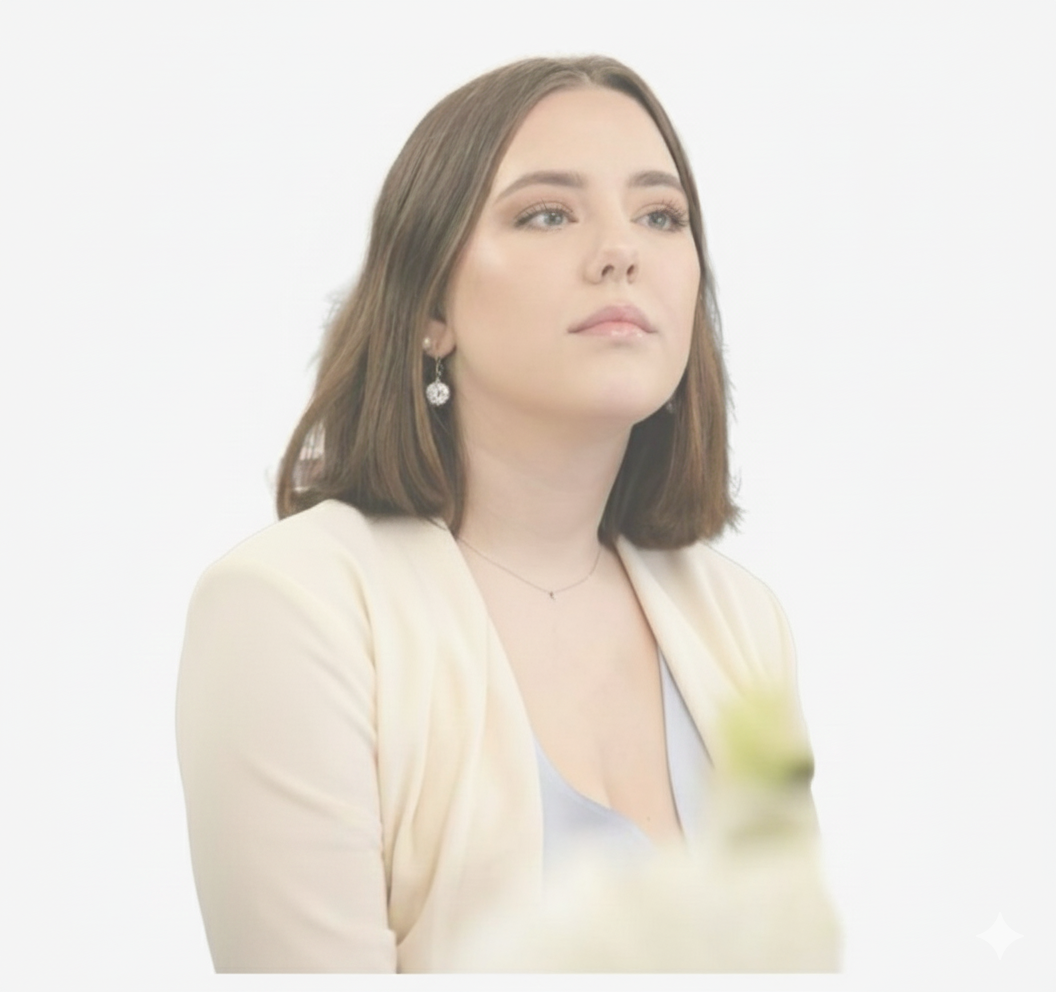
My name is Marie Kühne De Stefani,
I am a diploma student in my 8th semester of Industrial Design at Hochschule Darmstadt.
I am passionate about holistic design and innovative concepts. For me, good design means that form, function, and aesthetics come together in harmony. It is particularly important to me that products and objects are not only visually appealing but also integrate seamlessly into their surroundings and have a positive impact on them. My goal is to create meaningful value through thoughtful design and make the world a little more beautiful.



Inspiration & Idea
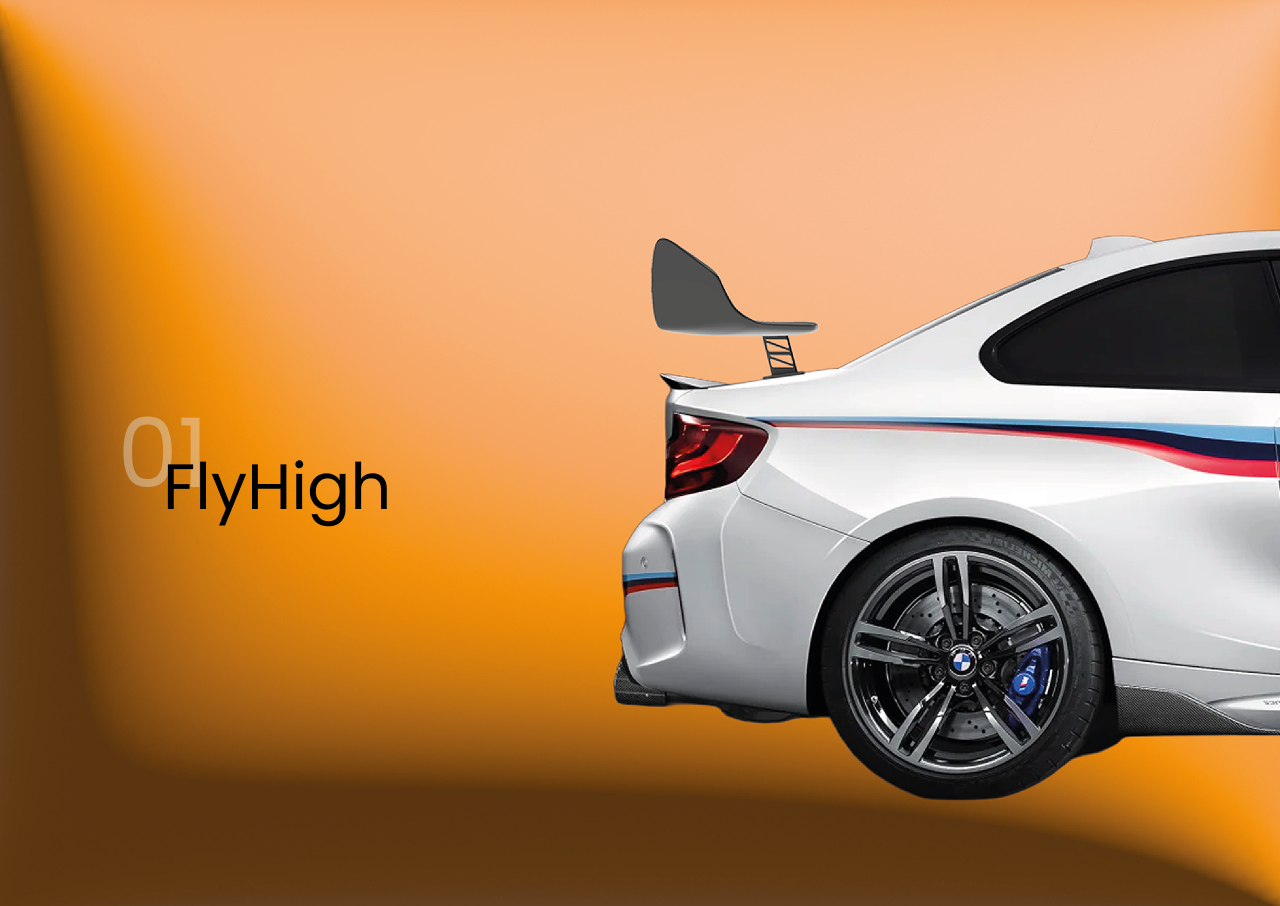
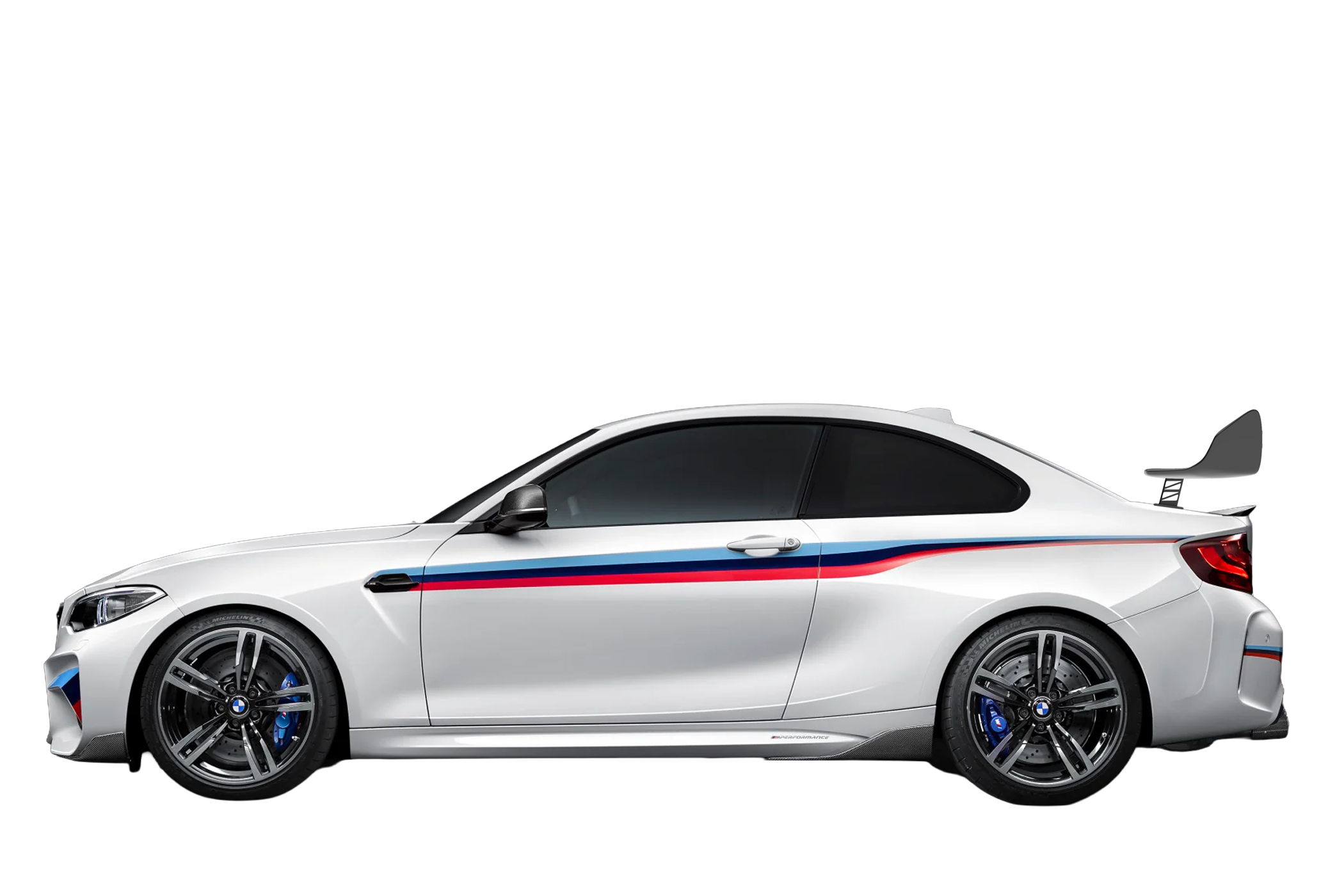
The inspiration comes from aviation, particularly the winglets of modern aircraf. Small, elegantly upward-curved wingtips that control airflow, reduce vortices, and enhance efficiency and stability. Their design shows how even minimal changes can have a significant impact. This principle is applied to a rear spoiler: small, outward-curved elements guide airflow, reduce turbulence, and improve efficiency. The spoiler was specifically developed for the BMW M2, aiming to deliver maximum downforce with minimal drag, seamlessly combining performance and precise aerodynamics.
3D Renderings for FlyHigh
The rendering presents the developed rear spoiler integrated realistically on the BMW M2. Its purpose is to clearly communicate the proportions, design language, and aerodynamic function of the spoiler. Lighting, perspective, and material detailing emphasize the crisp edges and outward-curved ends, effectively showcasing the concept’s form and performance within the vehicle context.
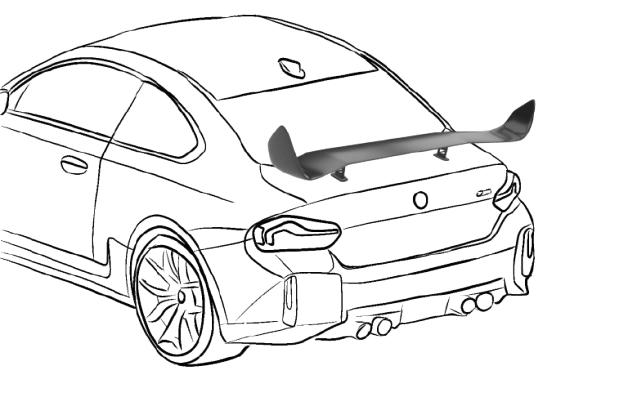
Form & Integration Study
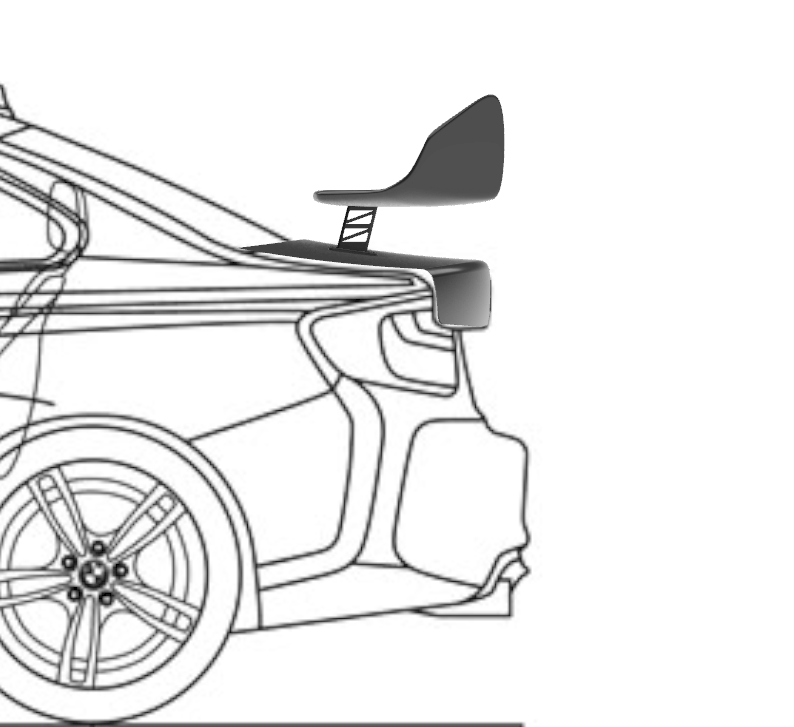
The presentation method depicts a sketched BMW M2 in perspective, highlighting the developed rear spoiler. The sketchy vehicle outline combined with the clearly defined spoiler form focuses attention on its geometry. The chosen perspective allows the proportions, curvature, and design language of the rounded spoiler to be clearly communicated, providing a quick and intuitive impression of its shape and integration on the vehicle.
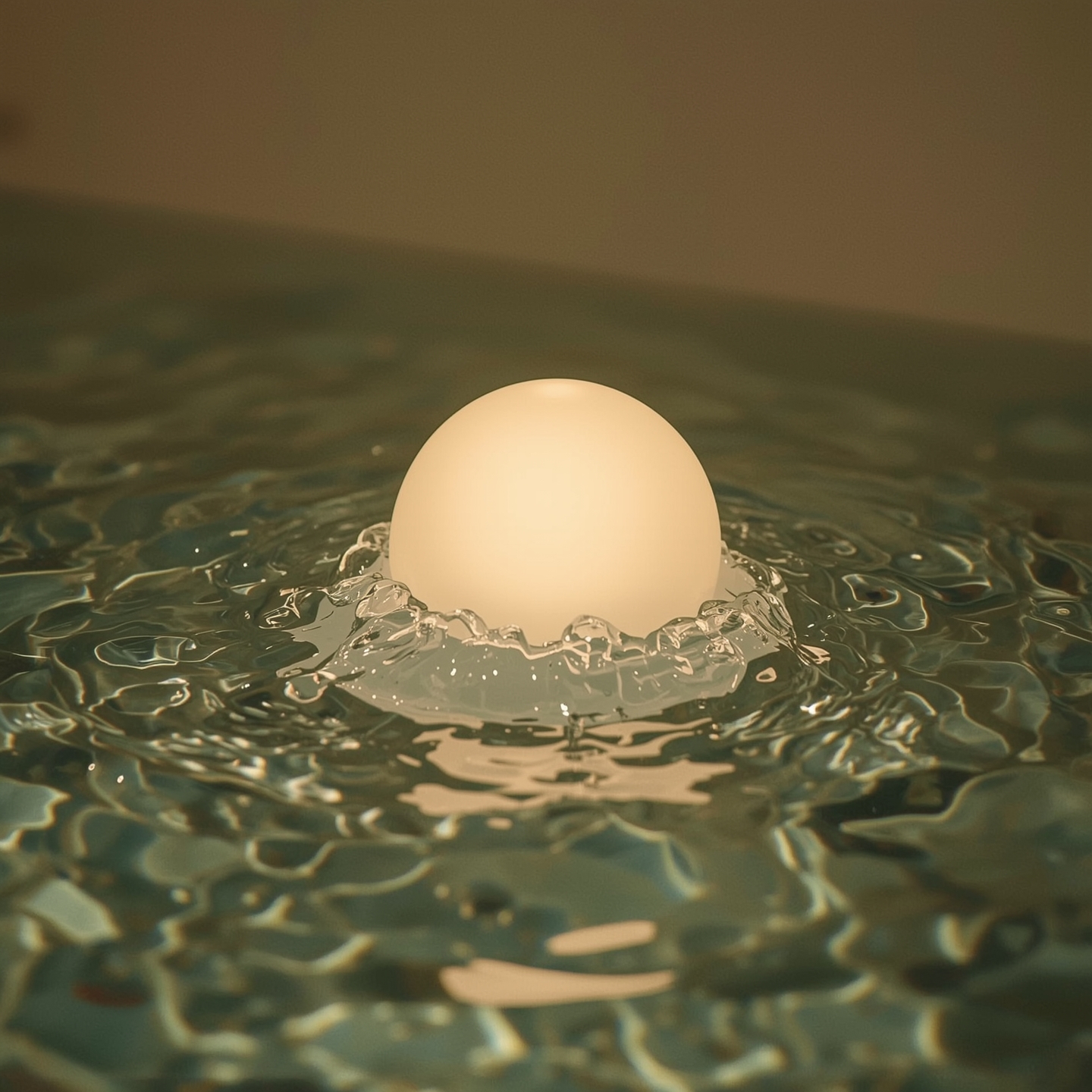
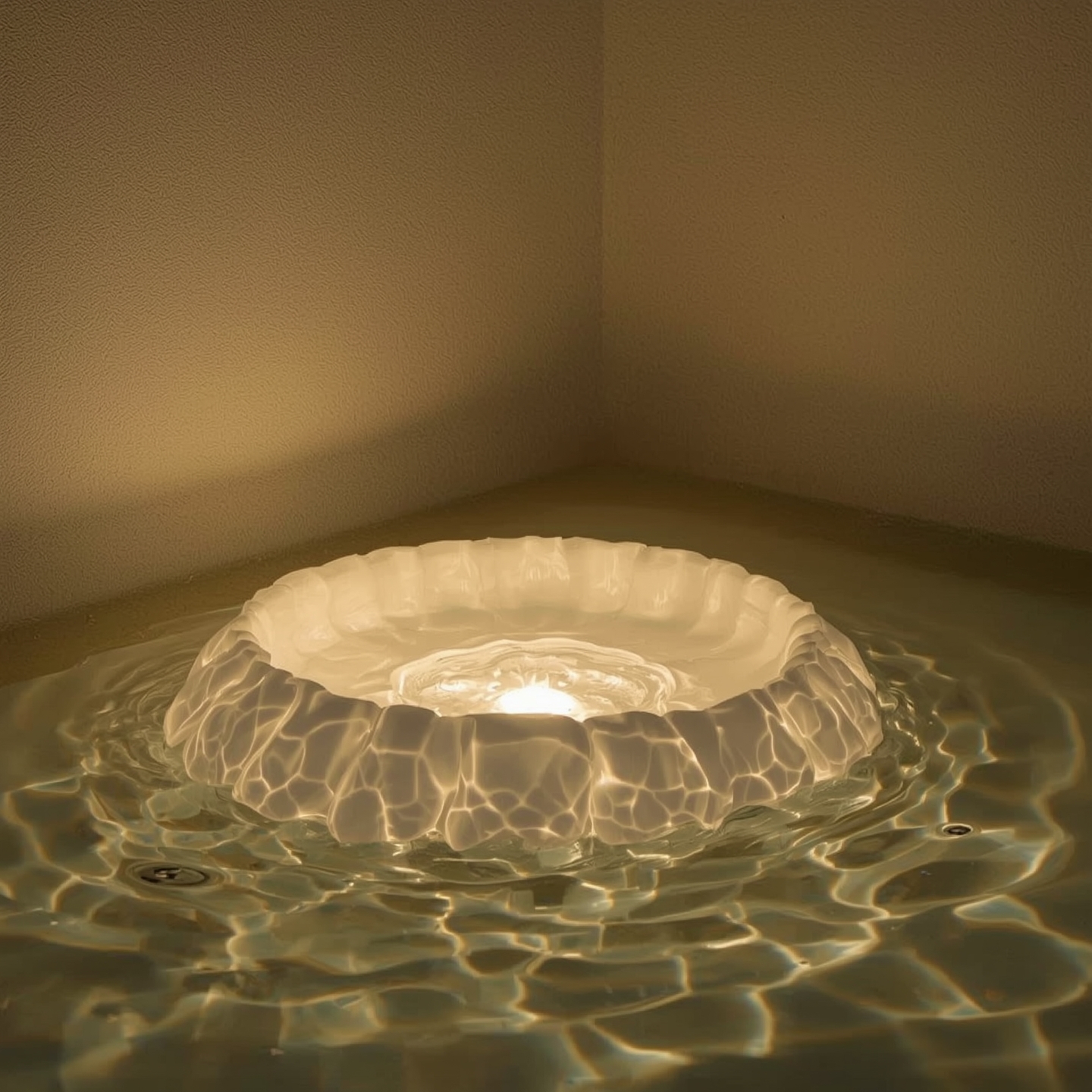
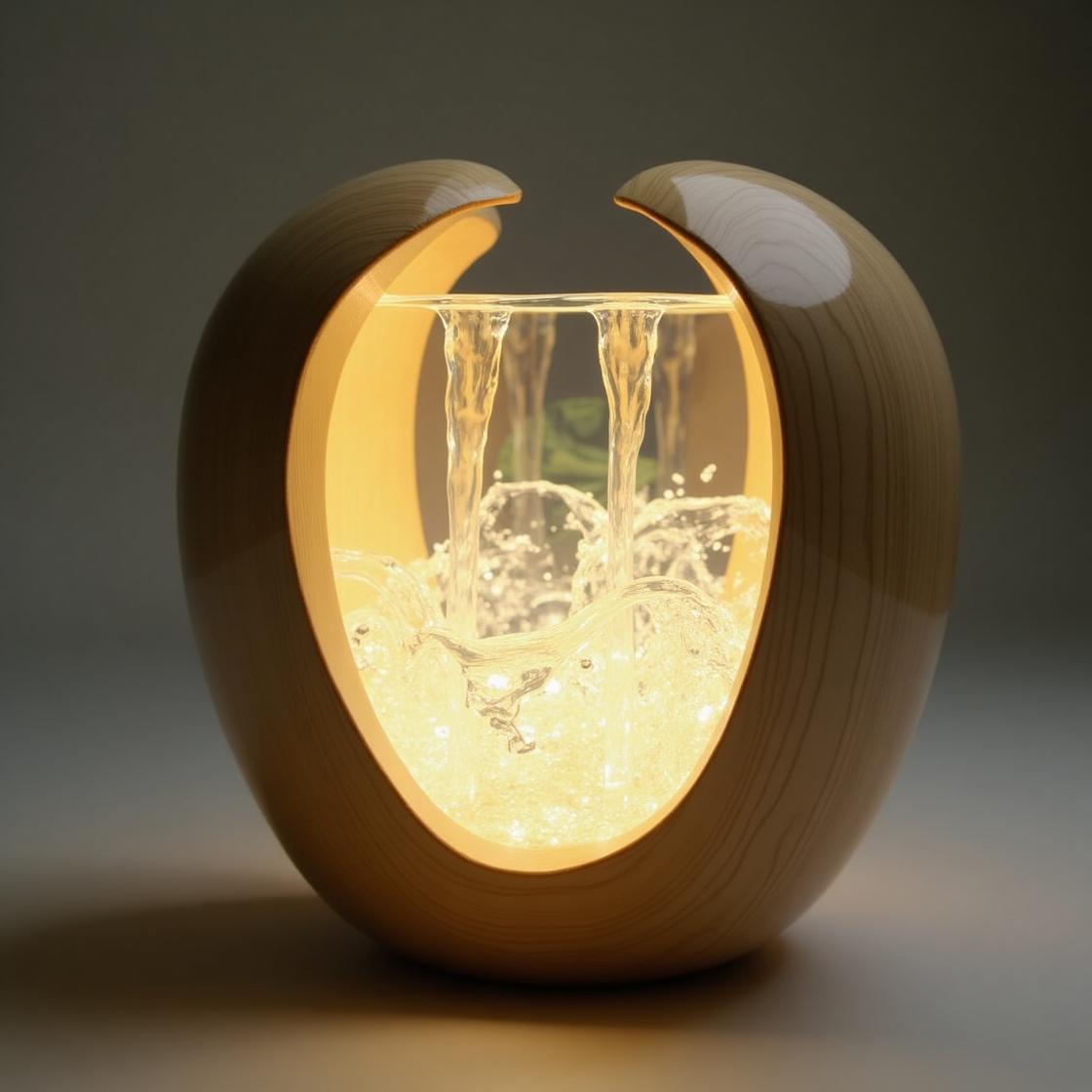
Designing with Artificial Intelligence
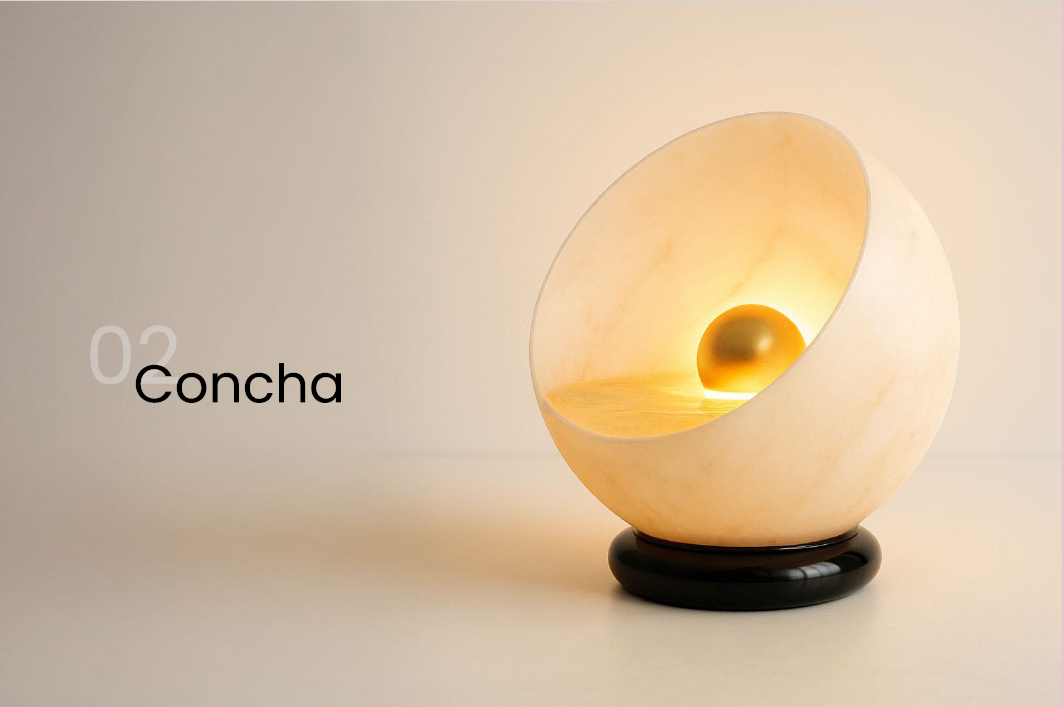
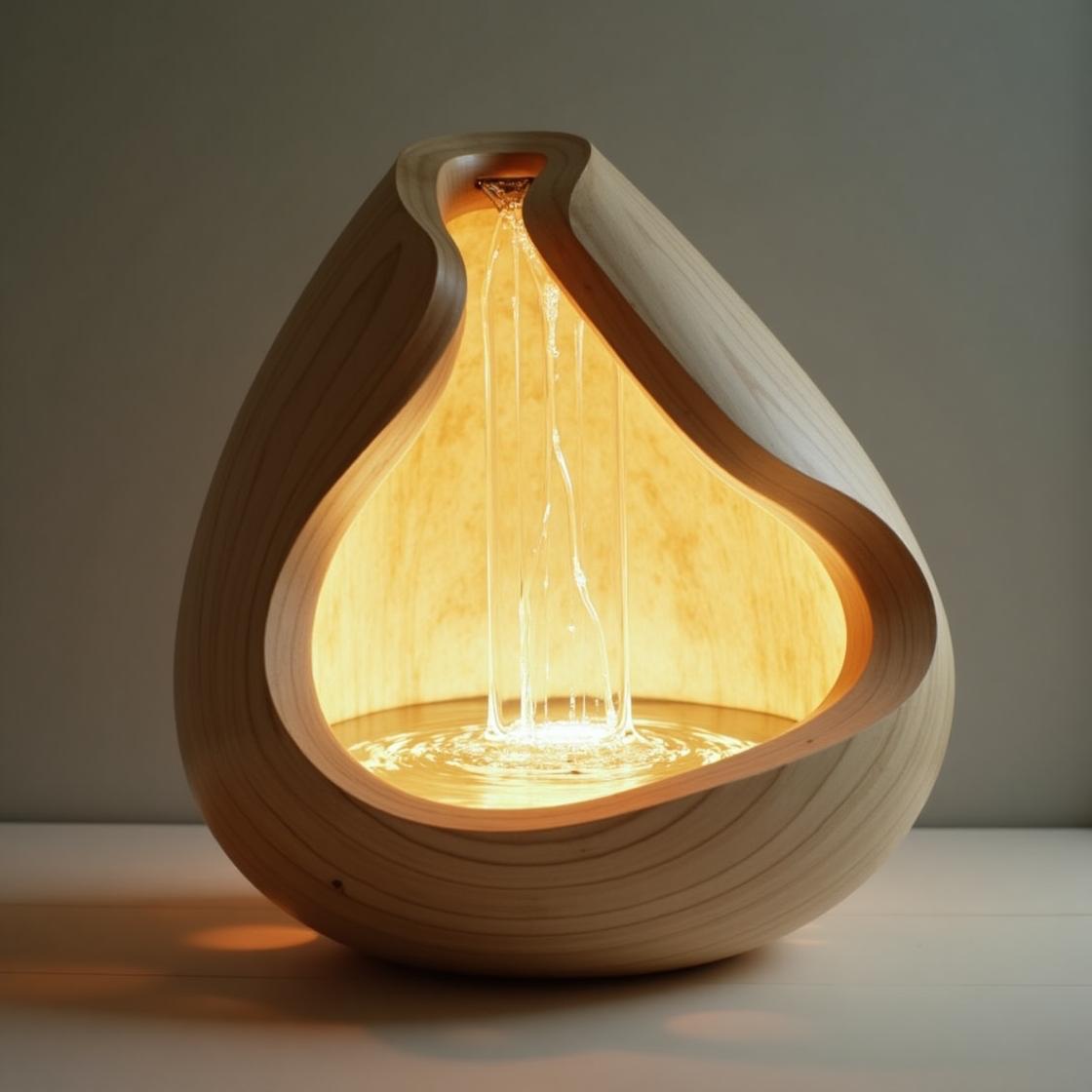
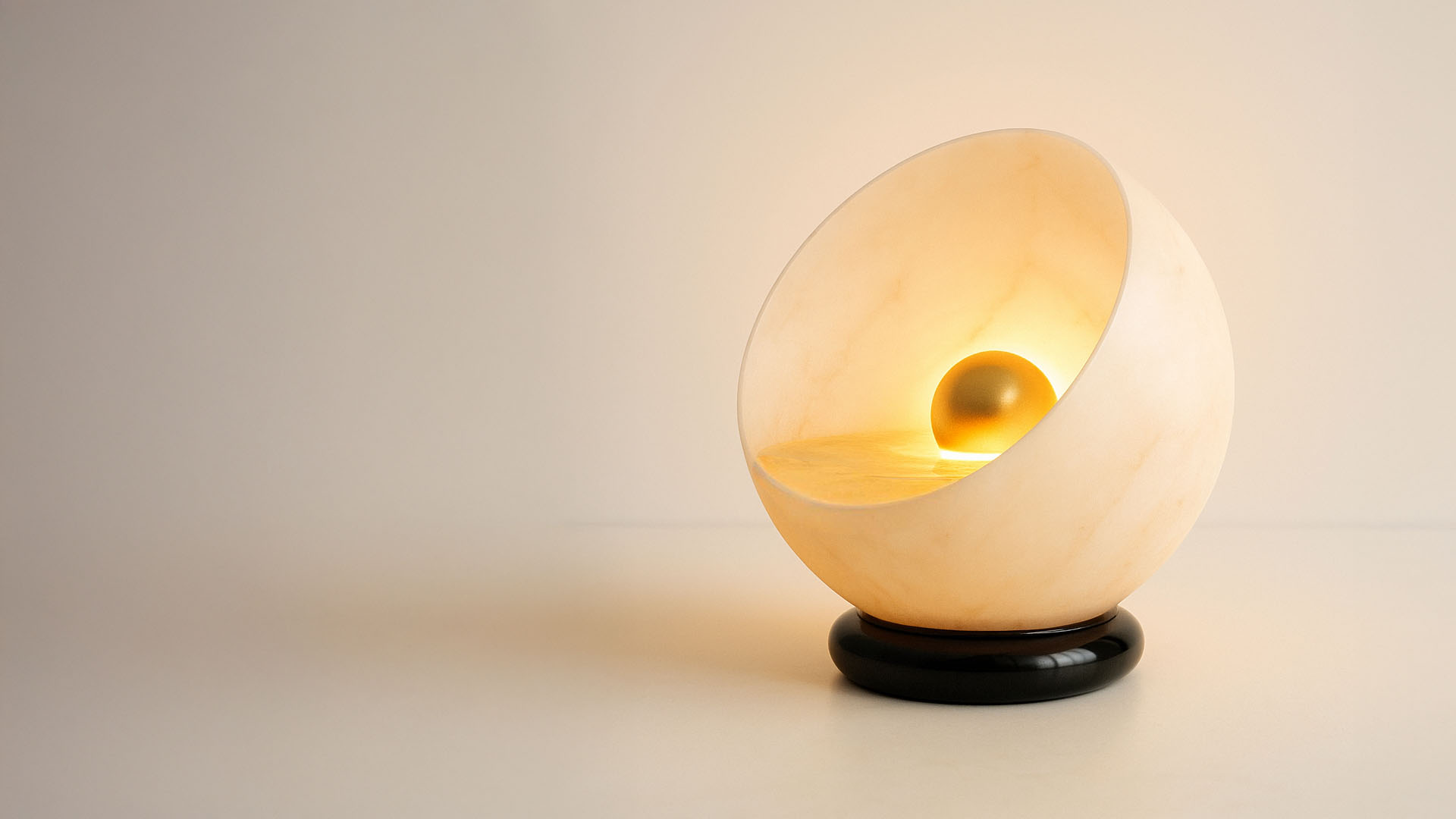
In designing the water lamp, I explored how artificial intelligence can be integrated into the creative process as a design tool. Through targeted prompts, I analyzed how AI can support form development and inspire new aesthetic directions. This resulted in an engaging dialogue between digital inspiration and human intuition.
Material & Function
The lamp consists of a translucent alabaster bowl resting on a high-gloss black ring. Inside lies a golden sphere that glows from within, gently diffusing light through the alabaster. A magnetic field within the ring causes the sphere to move subtly in the water, creating delicate waves that make the play of light within the lamp and its surroundings appear vivid and dynamic. The result is a captivating interplay of form, material, and movement.
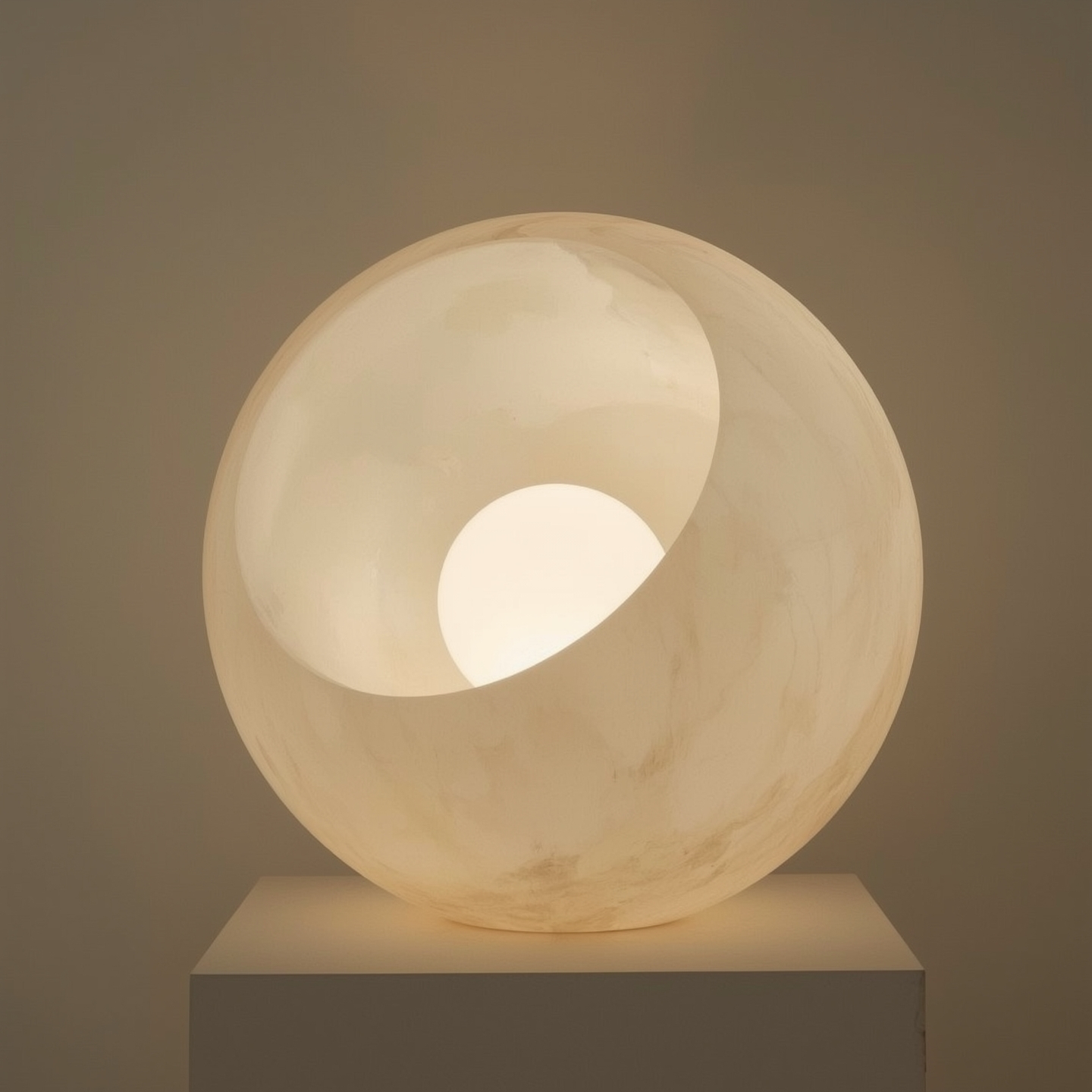
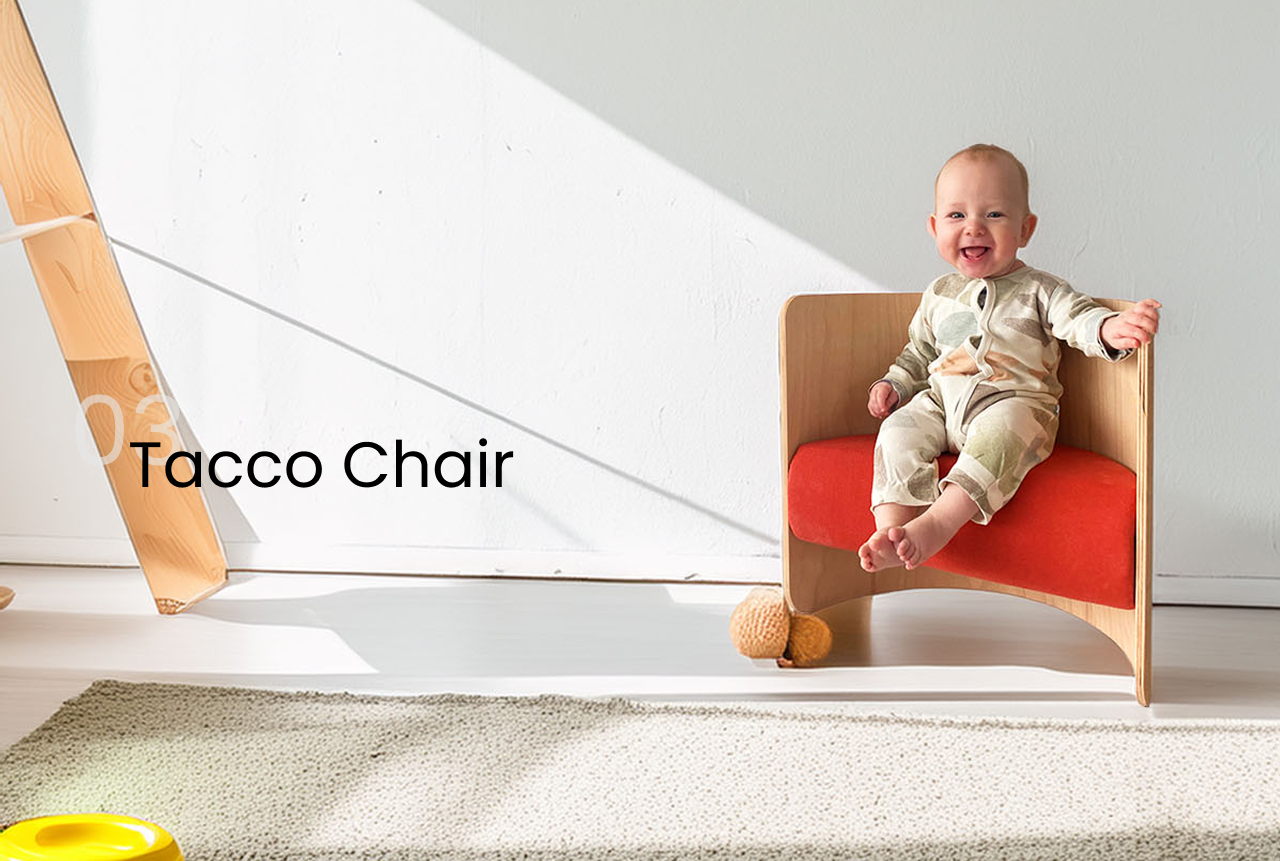
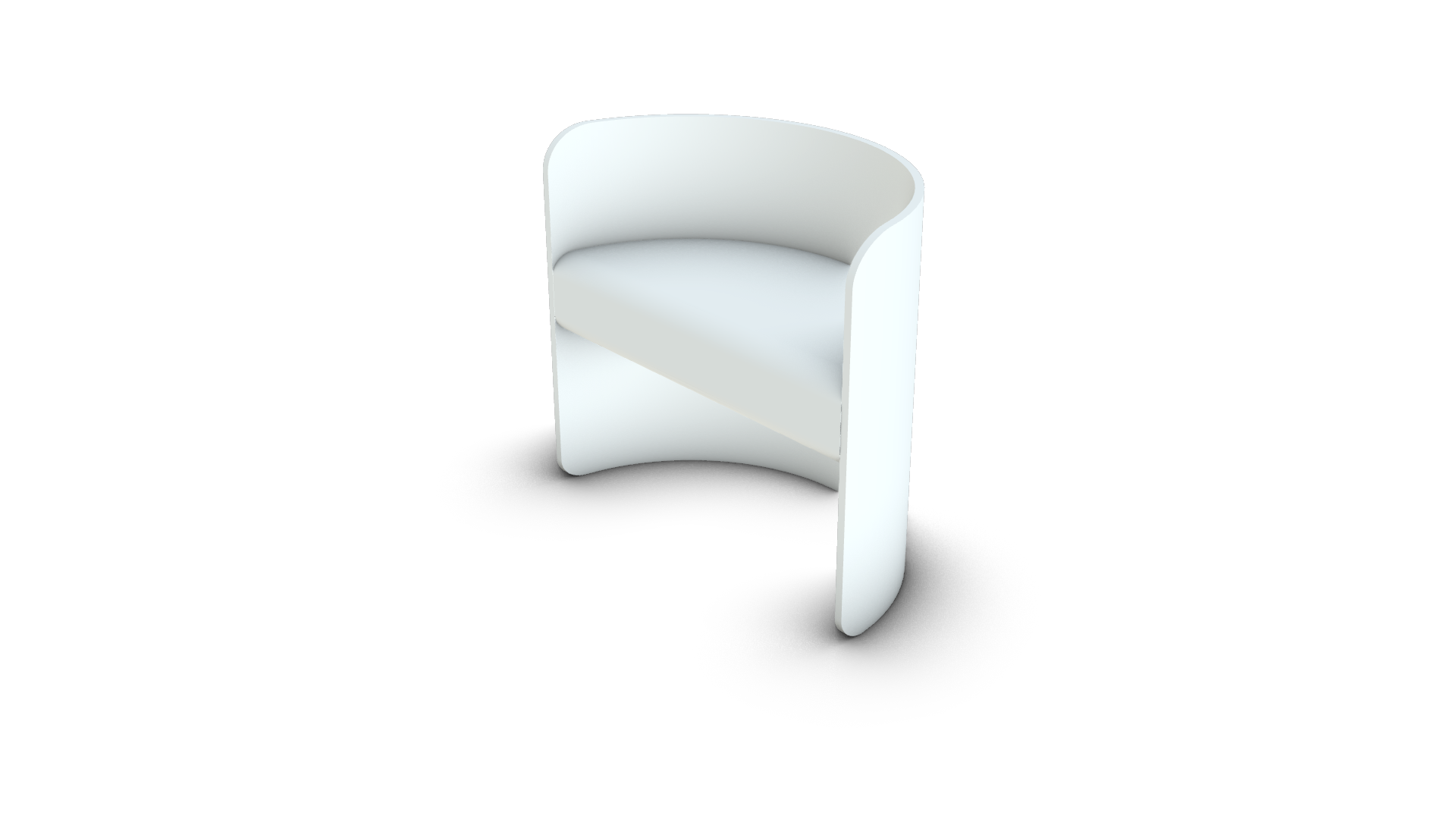
3D Visualizations of the Tacco Chair
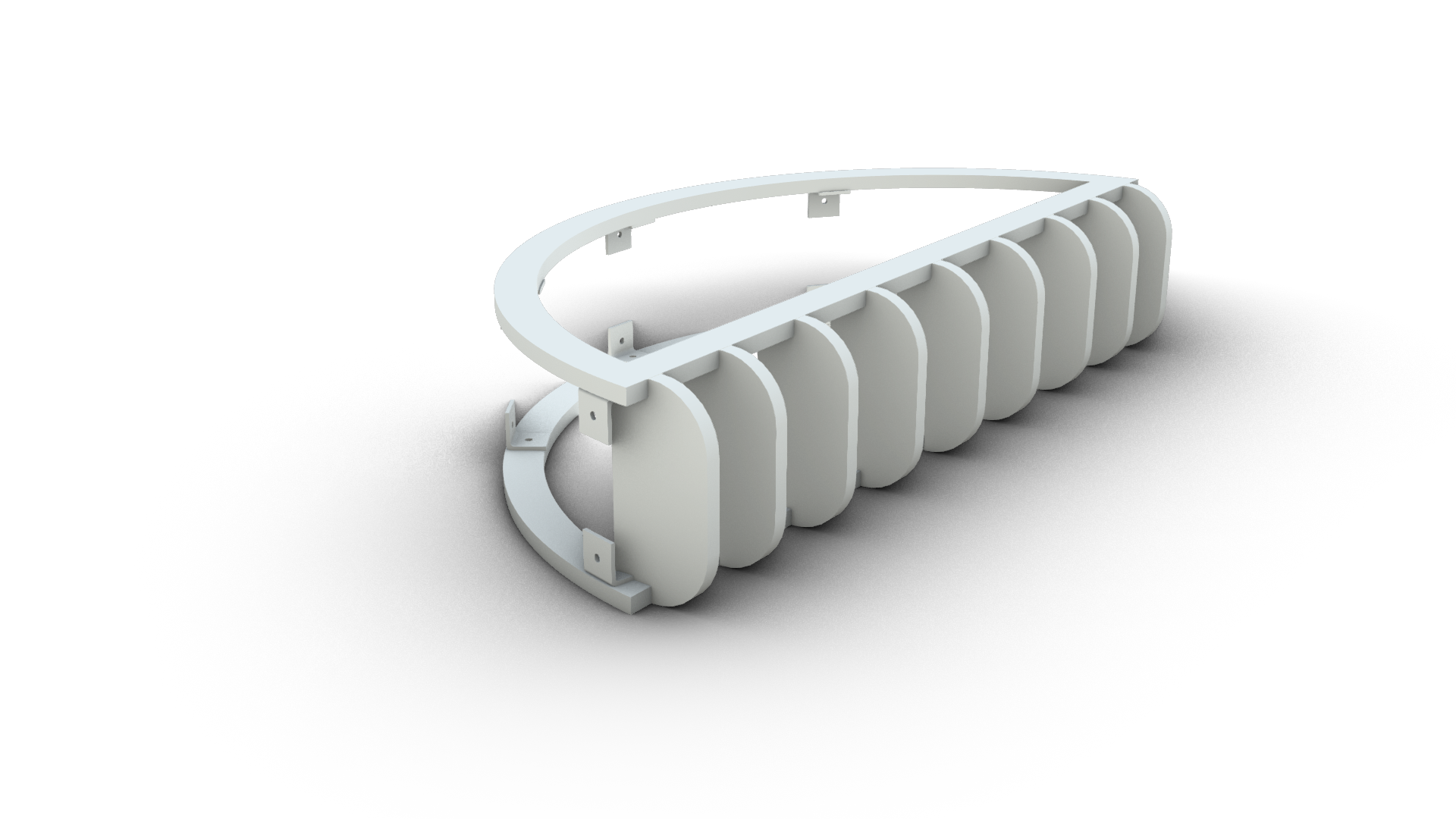
To visualize the concept of the Tacco Chair, the model was created in Rhino 3D. In this process, the proportions were carefully refined to ensure a harmonious and ergonomic form. The digital data was then prepared and optimized for CNC milling, allowing the construction to be executed with precision and the designed form to be transformed into a physical model.

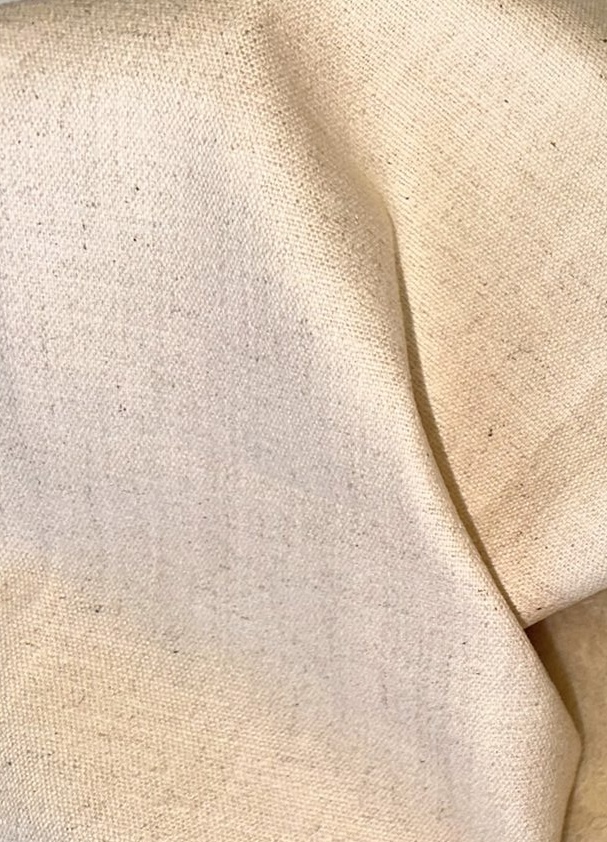
Linen
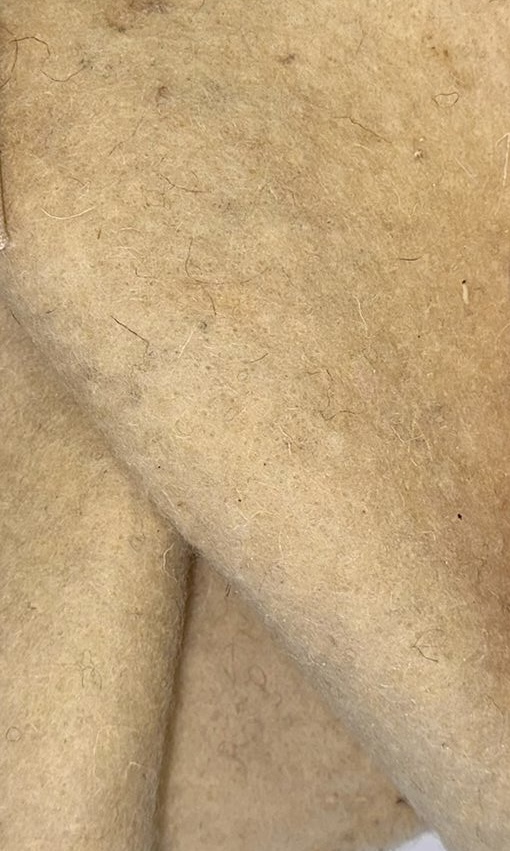
Sheep wool
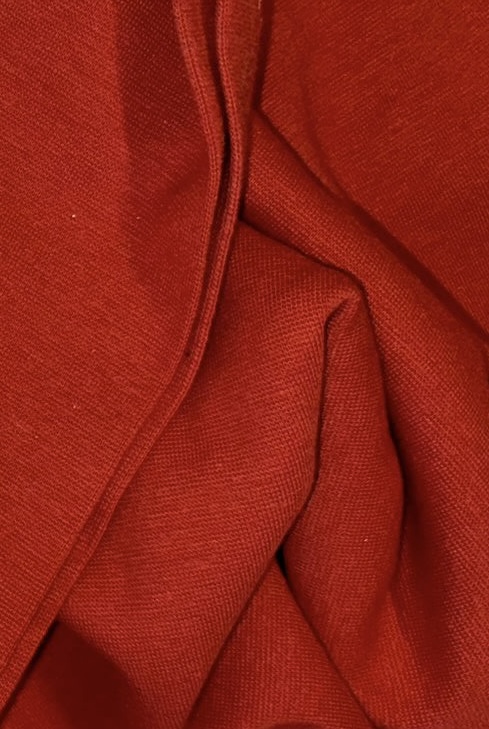
Cotton
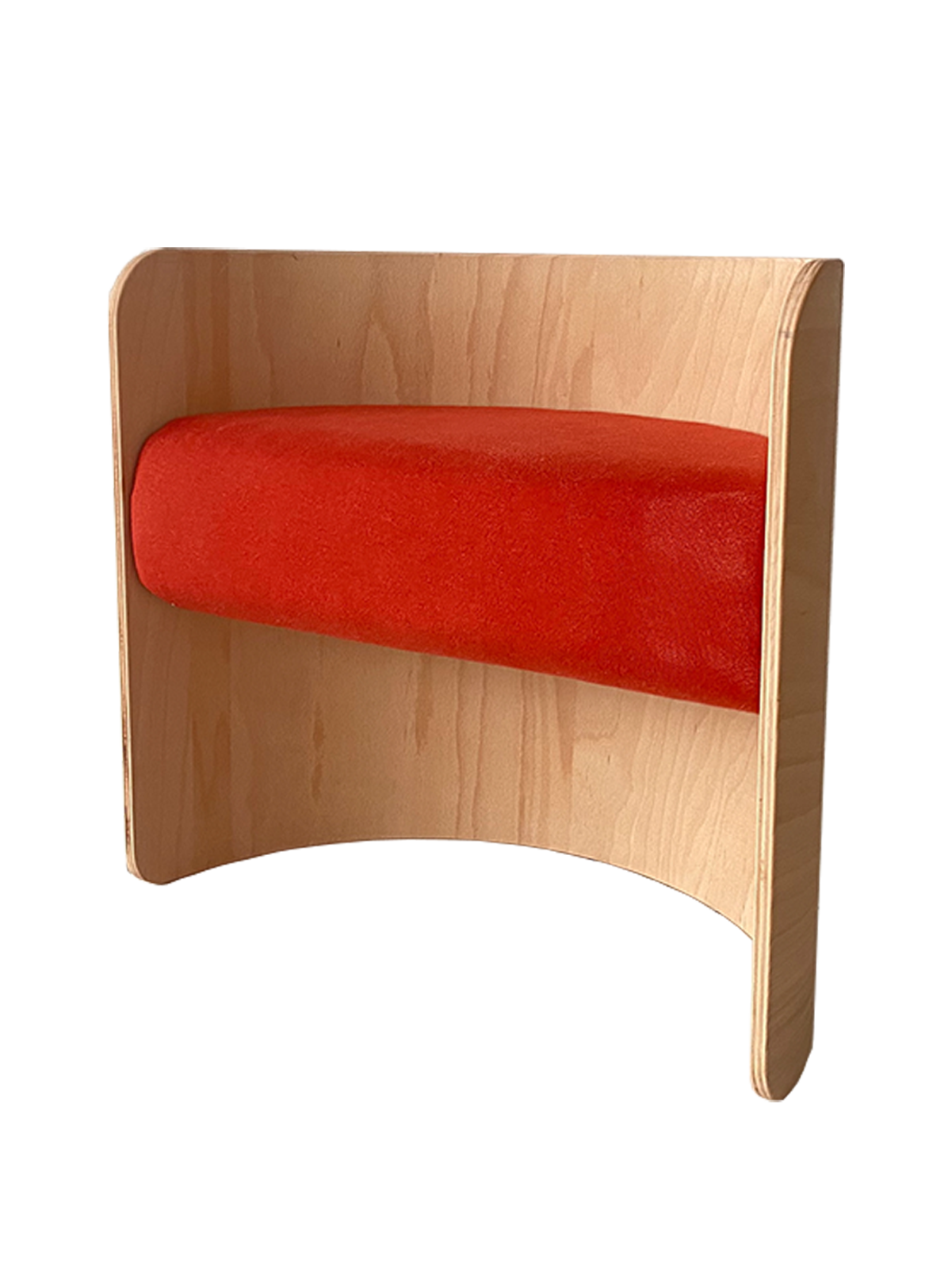
The construction of the Tacco Chair allows for a variation in seat height simply by turning the chair over. This creates two ergonomically optimized sitting positions tailored to the needs of different age groups.
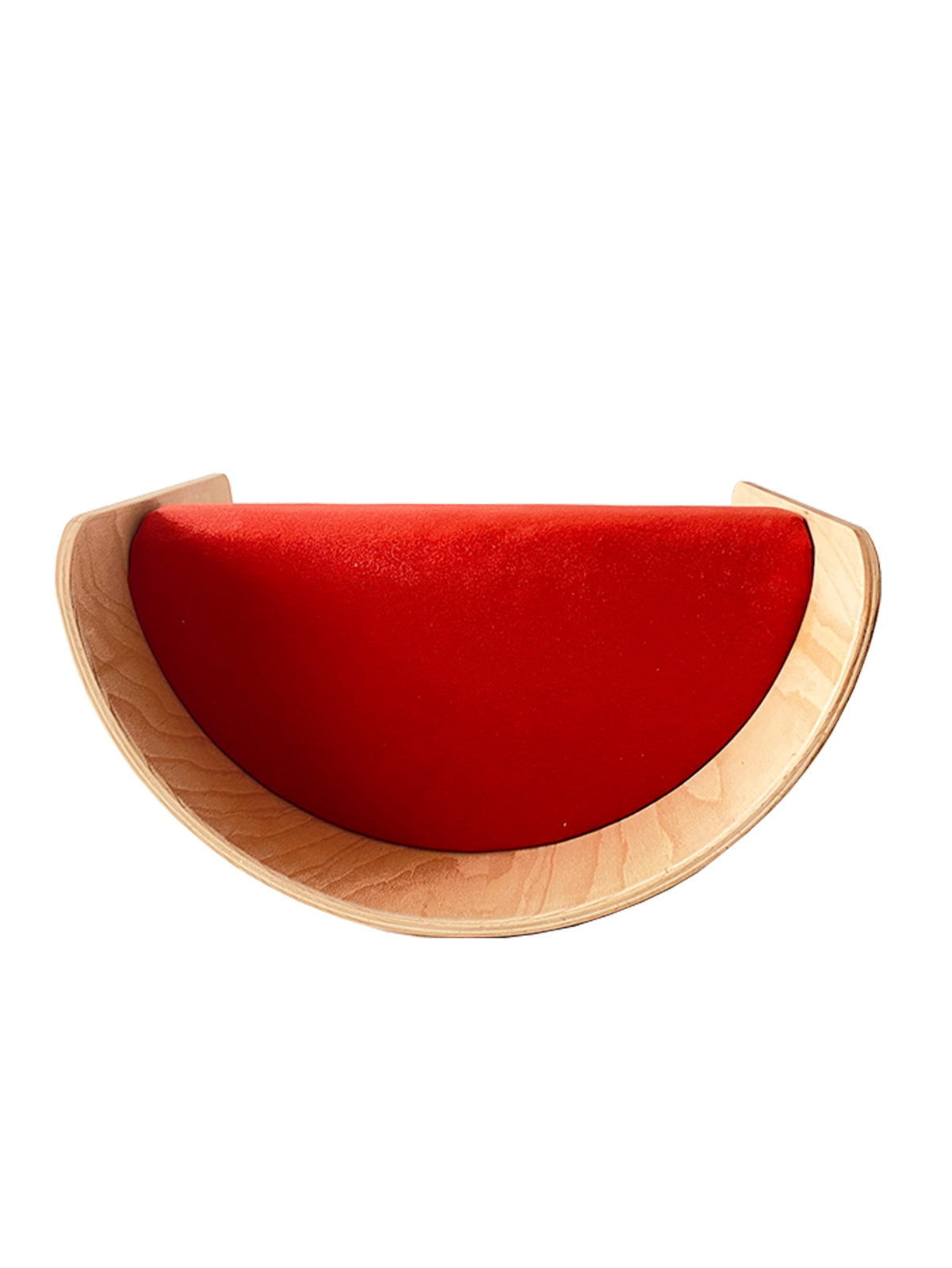
When the Tacco Chair is placed on its curved backrest, a new function emerges: the chair transforms into a rocking toy, inviting movement and playful interaction.
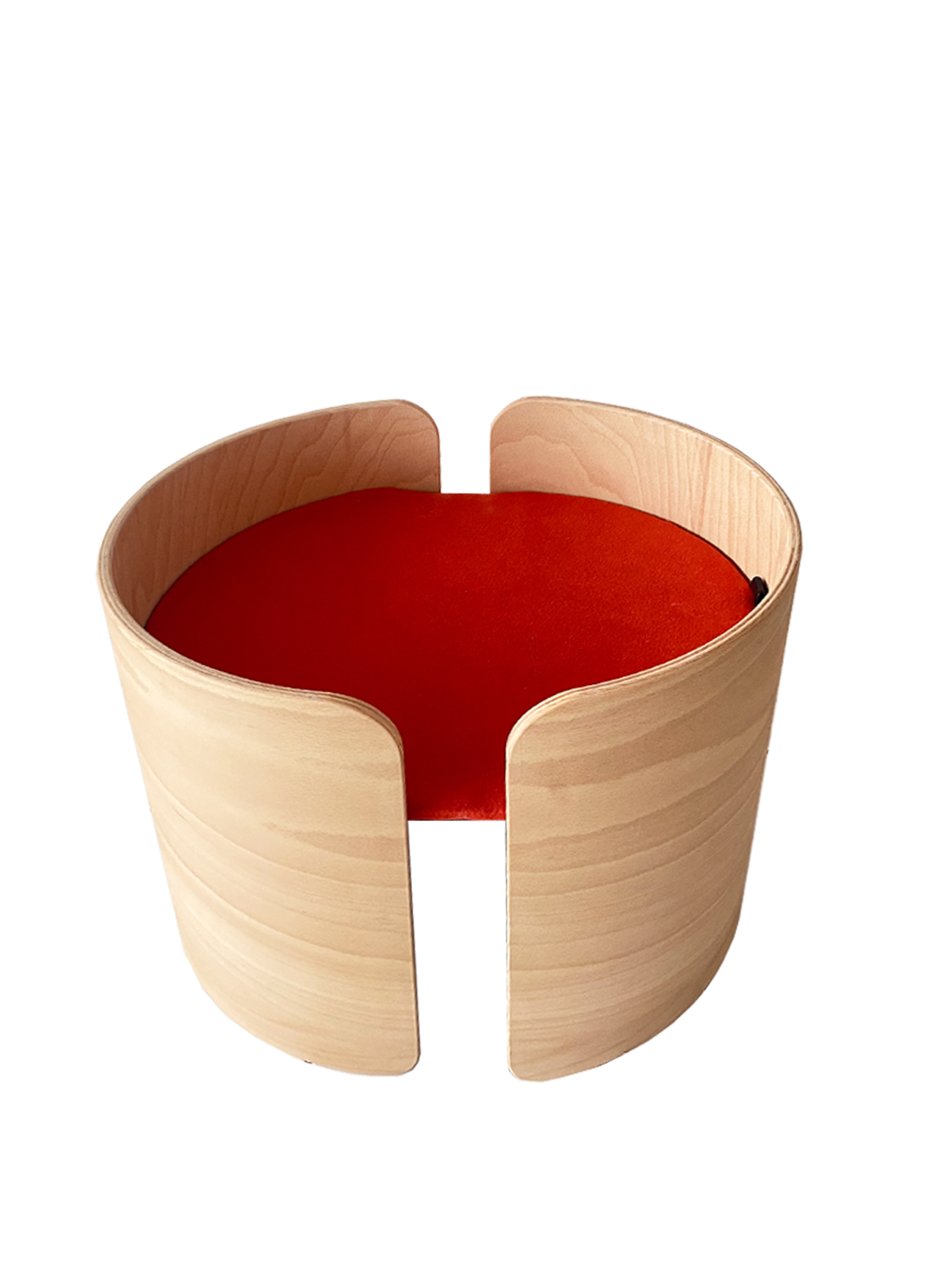
Two interconnected Tacco Chairs form a versatile play or changing table through their multifunctional seat surface. When turned over, they transform into a baby crib, a reflection of the playful yet functional design concept.
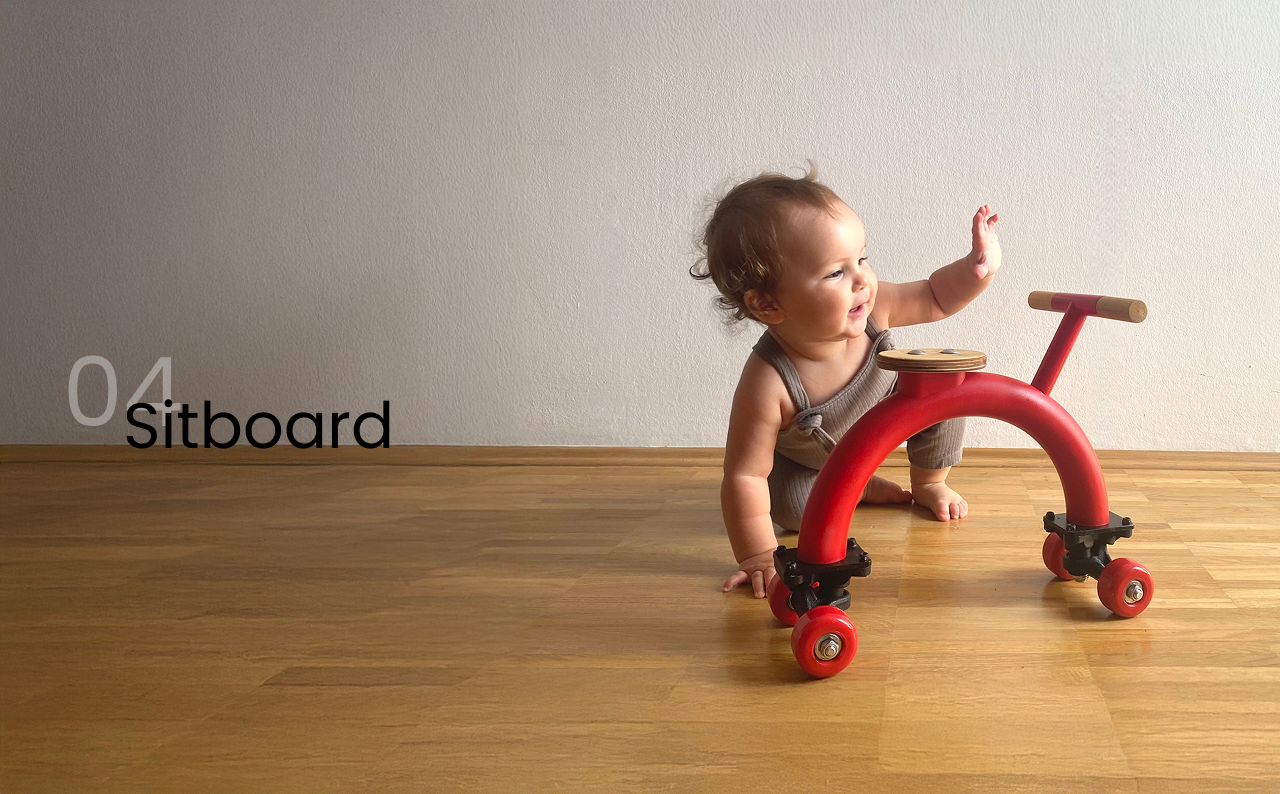
Sketches for the Sitboard
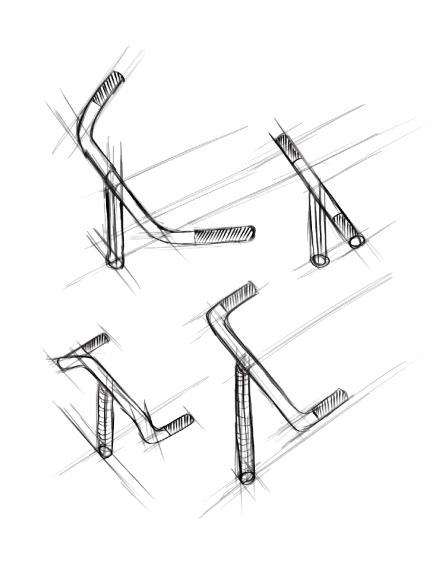
As part of a brainstorming process, initial design concepts and partial sketches were developed, allowing ideas to be visually captured and refined. This provided a solid basis for deciding which forms and combinations should be pursued in the further development process.
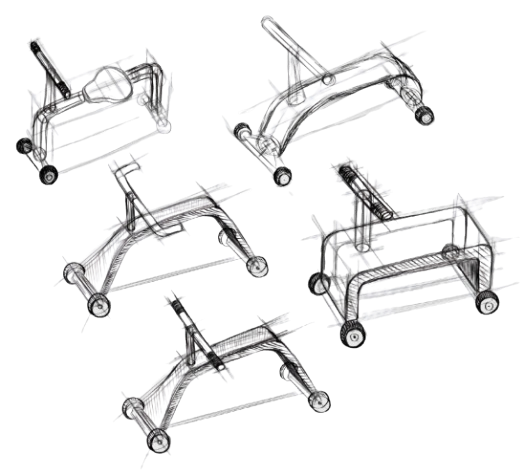
Sketches for the Sitboard
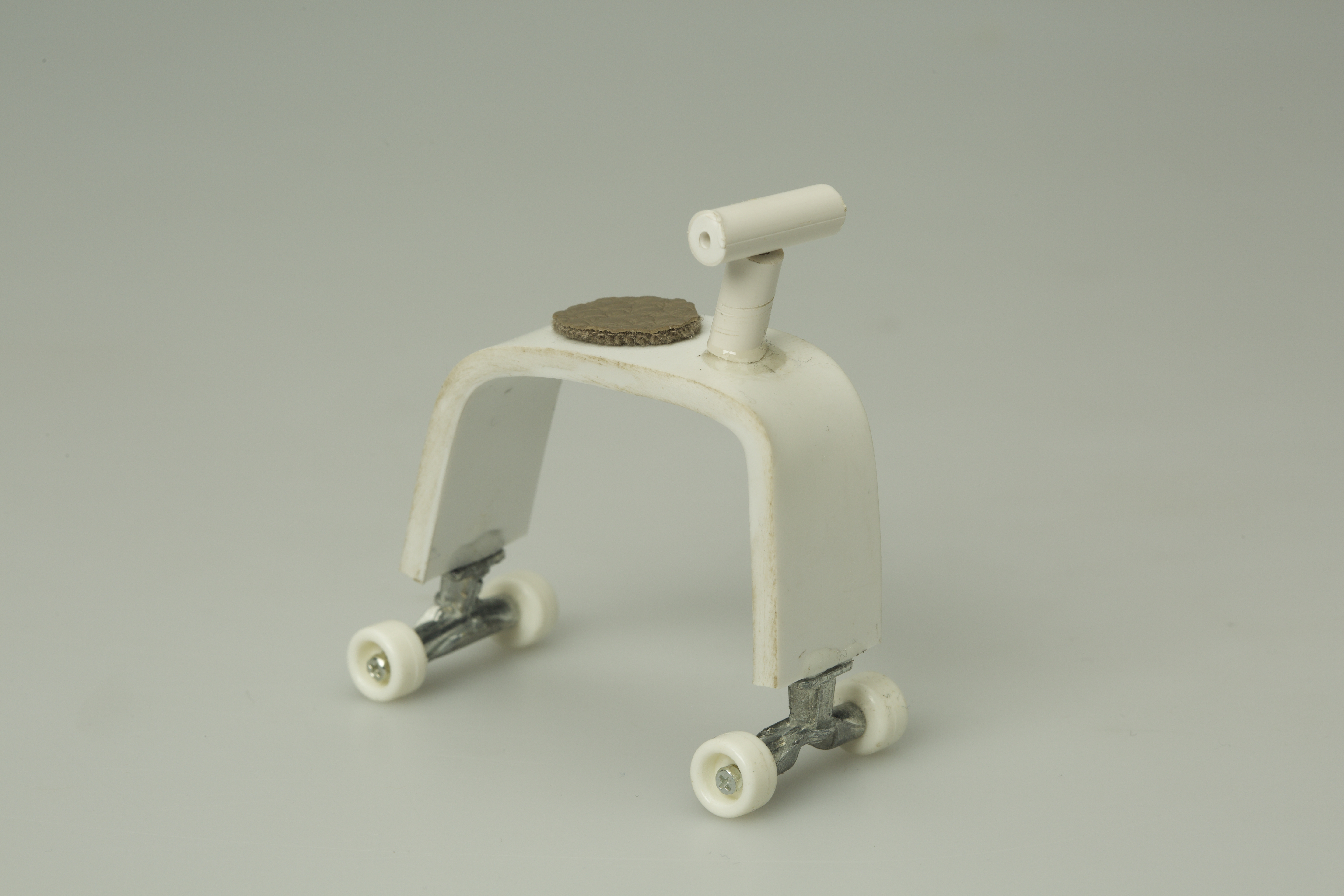
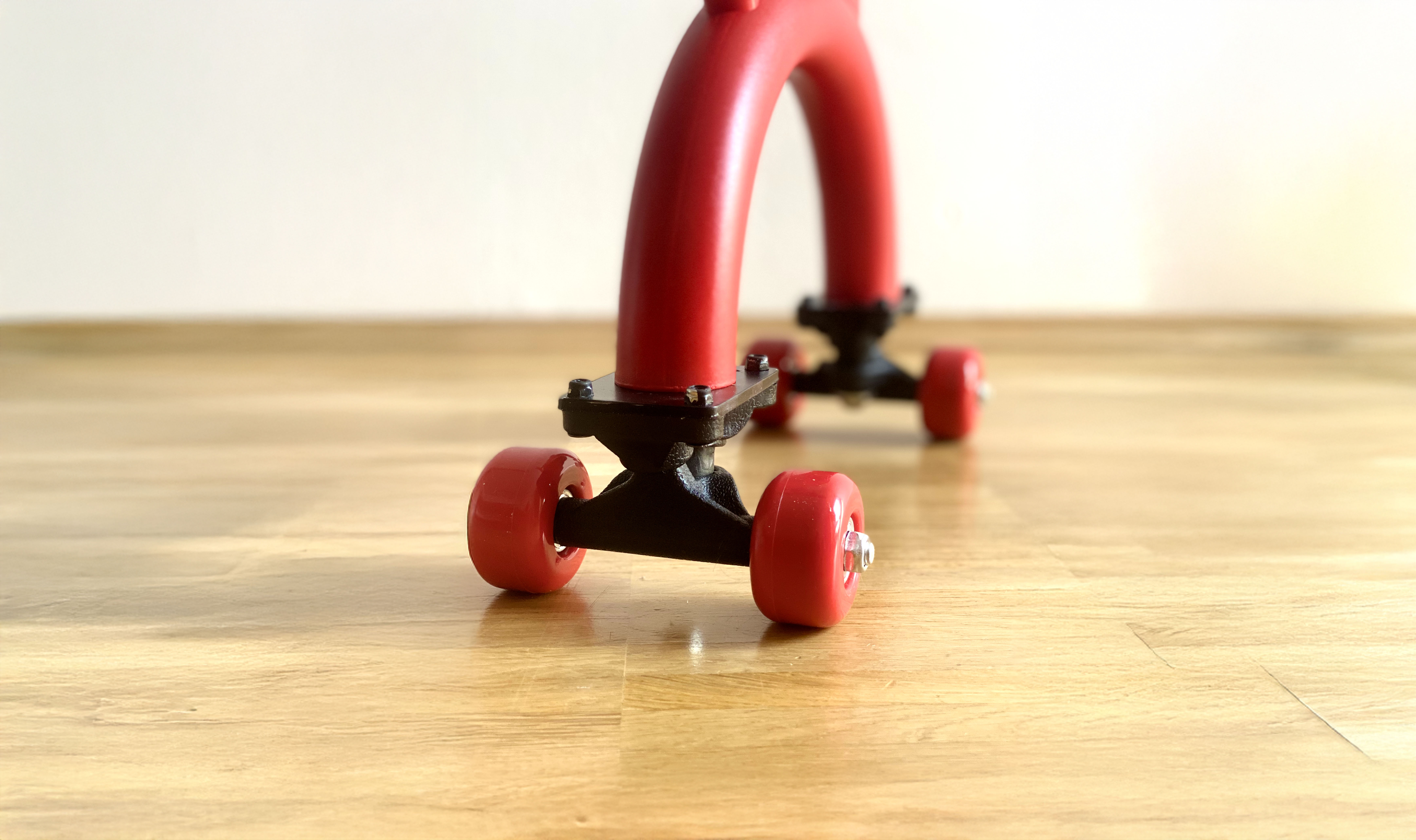
During the concept development phase, various sketches of the steering wheel were created to visually capture initial ideas and explore possible design variations. The sketches were used to evaluate form, ergonomics, and usability, providing a solid foundation for selecting the designs to be further developed.
Model 01
Model 02

Model 03

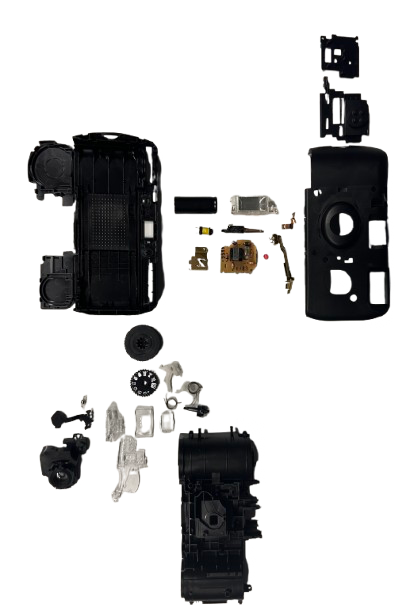
Knolling of a Disposable Camera
To analyze the structure and individual components of the disposable camera, a knolling was carried out. All parts were systematically arranged and photographed to clearly visualize the construction, materiality, and functionality. This method facilitates an understanding of the mechanics and provides a precise foundation for further design or analysis processes.
3D Rendering of the NoPrint
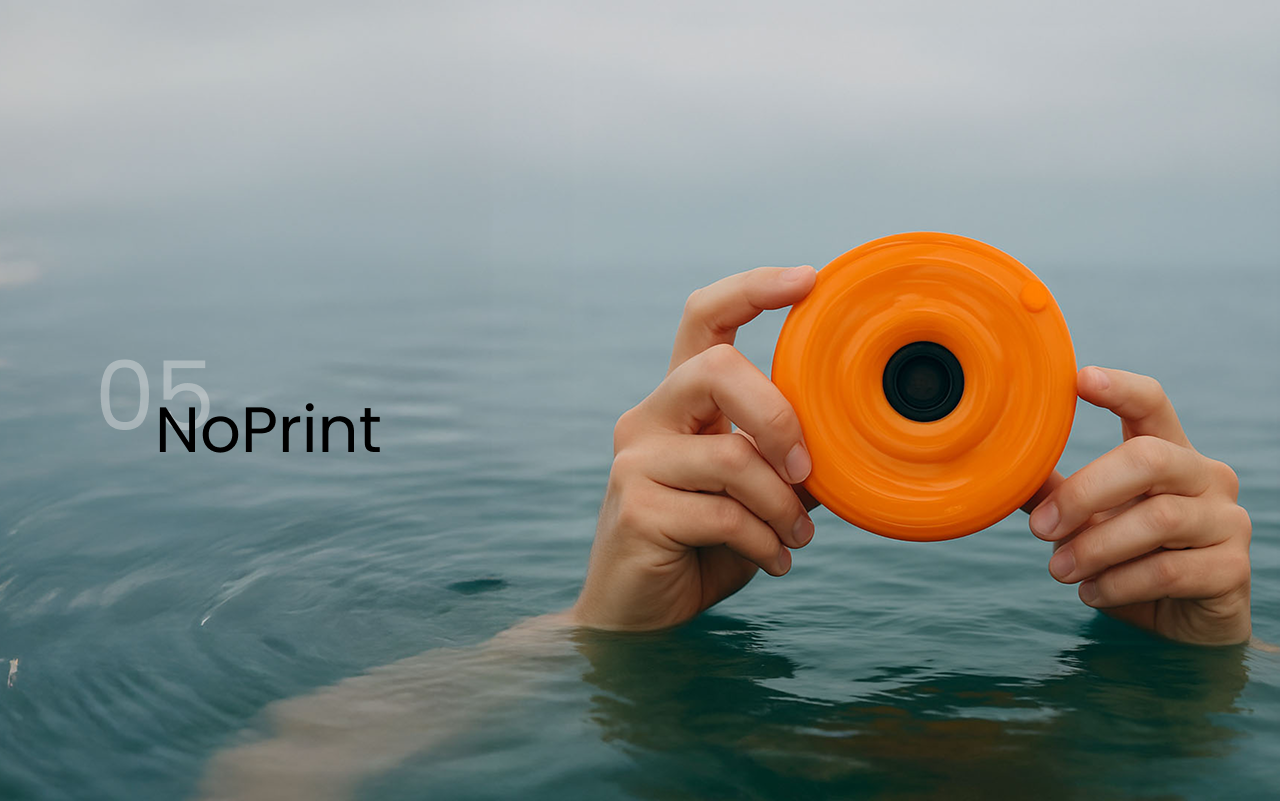
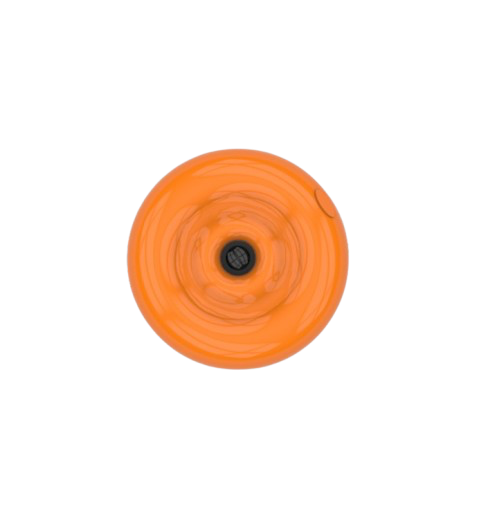
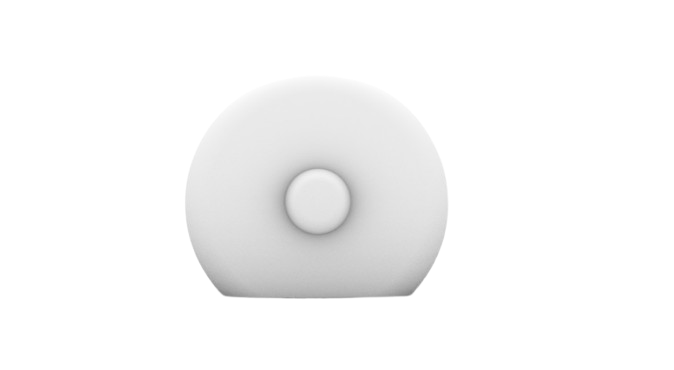
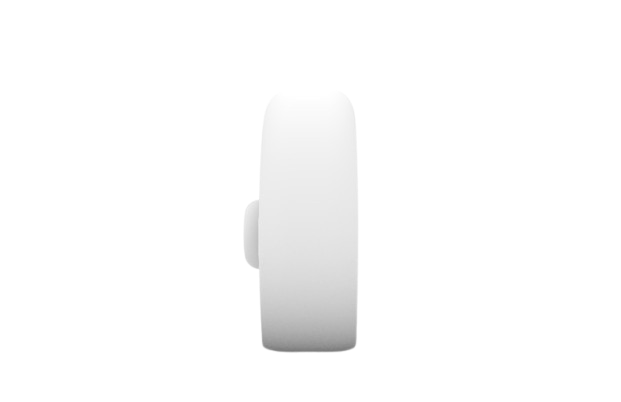
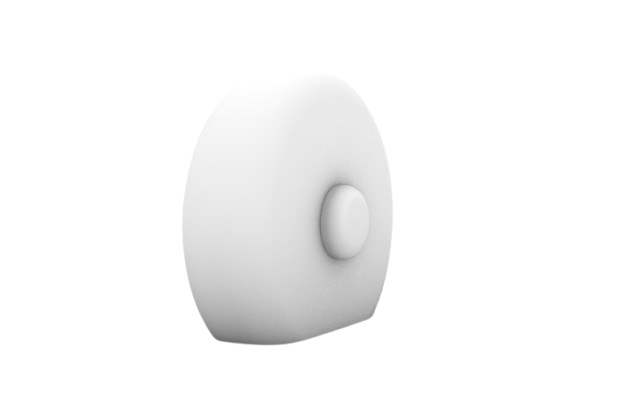
To visualize the newly designed camera, a 3D model was created in Rhino 3D. Form, proportions, and details were precisely executed to realistically represent the design. The rendering provides a clear presentation of the concept and serves as a basis for feedback, iterations, and preparation for production.
Material
The newly designed camera was made using rPET. It combines eco-friendliness, formability, and stability, and also offers high temperature resistance, allowing it to be used in a variety of conditions.
Digitization
The camera was adapted for digital capture, eliminating the need for printed photos. Images can be stored and shared digitally, making the process more resource-efficient, faster, and more flexible.
Sustainability
The camera is made from rPET, uses digital capture, is returned via a deposit system, and reduces the number of components from 25 to 7, conserving resources and minimizing repair effort.
Sustainable Deposit System